Several key rings on the table: identify the right one
When visitors arrive in several cars, ask who took each key ring and who recognizes their own key. Similar appearance does not explain a lack of vehicle response. Establish who drove your car on arrival and which key they used before describing a fault.
Nominate one person to coordinate checks of bags and places where keys were left. If a guest took the correct key, report whether it can be returned. That differs from every key being lost, while a key only thought to be elsewhere is not yet an available backup.
A bag in the car: access before key preparation
Say whether you saw the key in the bag or only suspect it is there. Include the door condition and any other key. The first request may be checking whether the vehicle can be unlocked to reach the bag; this does not automatically include preparing a new key.
After an agreed opening, establish what is actually found. No key in the bag, or a damaged key, creates another assessment point. Ask beforehand what the opening includes and how further work would be agreed if the information changes.
Requesting access to a key left inside the carThe key is found, but a fault remains
Once the correct key is identified, switch from a search description to the failed function. Report what you tried, the response, any drop or moisture during the visit, and exact vehicle messages. Finding it establishes location, not condition or the required treatment.
A second key known to belong to the same car can provide useful comparison if already used. Report differing results without assuming a battery or compatibility problem. For casing damage, keep the parts and describe the break. Repair assessment and preparing a copy are separate inquiries.
Describing a fault in a key that has been foundNo available key, or a backup for the next visit?
If no working key is available after checking, say so and give model and production year. A key with someone returning it differs from keys whose locations are unknown. Update the inquiry if new information arrives.
Once the key is returned, plan any spare request while it and the vehicle are together. Decide who holds the backup and which functions it needs. Anyone who may bring it should recognize it. Compatibility depends on the relevant model and version, not appearance alone.
Planning a spare after the working key returnsThe visitor and host: who will meet at the car?
Send the parking location even if you wait in another house. For a gate or courtyard, coordinate access with whoever manages the property. The host can assist with directions, but someone authorized to request the work must also be available with the required details.
Before departure, clarify the proposed task, cost and what remains subject to on-site assessment. Availability for Neve Yamin and suitability are checked for your inquiry. Report a key found while waiting so the need can be reassessed. Review the agreed result and who receives each key.
Preparing for a service meeting beside the carDirect the visit to Neve Yamin itself
Neve Yamin’s official site says the moshav adjoins Kfar Saba’s eastern side and includes a settlement map. State that the car is inside Neve Yamin and provide its address or location. “Near Kfar Saba” gives context but does not identify the courtyard, street or parking place.
Use the official map to establish the locality, then add the gate, house number or vehicle landmark. Do not send only the house where you wait if the car is elsewhere. Call 0504307424 with the updated location and key details to check options and cost before departure.
Official Neve Yamin information and settlement mapOriginal Key Replacement photographs

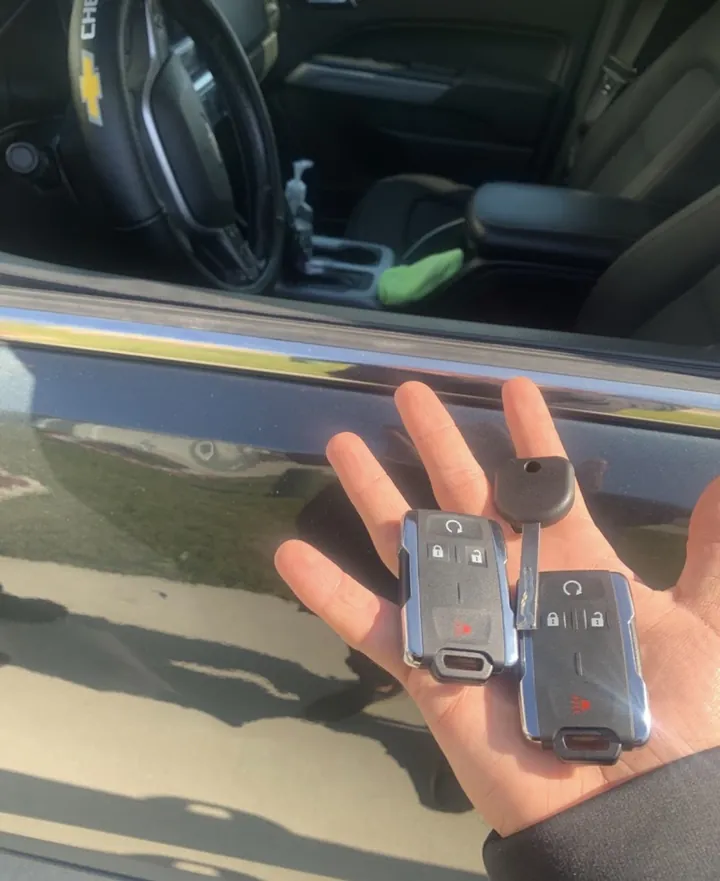
Original material supplied by the business. These photographs do not establish a job in a particular locality or compatibility with another vehicle.