A key with the luggage: fact or assumption?
Recall the last time you held it: unlocking, loading a bag or handing something to another person. A long personal itinerary is unnecessary. Explain whether you saw the key in a particular bag or merely suspect it is there, so service is not based on an unconfirmed location.
Ask companions whether they received the key or have a bag outside the car. Mention a spare at home and who can identify and bring it. Update new information promptly: a key with a relative differs from one confirmed inside a locked compartment.
What is accessible, and what do you want opened?
Describe boot and door status separately. If part of the car is accessible, explain how and what is already inside reach. Options depend on the current car and situation. Access to one part does not guarantee access to the bag’s compartment.
State whether you need the key to resume driving or only a personal item among the luggage. These goals affect the proposed work. Clarify what any suitable entry service includes. Entry alone may not permit starting if the key’s location or condition remains unknown.
Define access to the car and an item insideBring the spare to the right vehicle
Ask the person bringing a spare to confirm it belongs to this car rather than a similar old key ring. State previous normal use or unknown condition. Compare options using confirmed key and delivery details rather than relying on an unidentified item or unarranged journey.
Send the car’s position and your waiting location if different. If someone else remains by the vehicle, identify who authorises any work still needed. Report another solution before the service provider travels so arrangements reflect the remaining need.
After reaching the bag, establish what was found
If a key is found, confirm its identity and report any discovered problem. A broken case or damaged button differs from an intact key that was inaccessible. Retain detached pieces. Vehicle entry does not automatically authorise further repair; clarify the new requirement and proposed continuation.
If the search reveals no key, report none available and enquire about loss-related work using vehicle details and authorisation. If a found key works and you want a spare, treat that as a separate goal. Complete the current request before planning further work.
What to report if no vehicle key is availableAgree the action and who receives the result
Prepare the make, model, year, boot and door status, and item you want retrieved. Check Nir Eliyahu availability, suitability and cost before travel is agreed. Ask about authorisation and on-site assessment. State beforehand if the car is borrowed or otherwise not yours.
Check the agreed outcome, whether access to an item or key operation if that work was ordered. Request a separate explanation and quote for additional actions. Afterwards, choose a consistent key location during loading and store the spare away from a bag that might remain inside.
Define the action before a mobile-service quoteGive the parking point within Nir Eliyahu
The Drom HaSharon council’s Nir Eliyahu page includes a map and kibbutz contacts. Use it to identify the area, then provide actual parking: near a home, activity venue or elsewhere. The kibbutz name alone cannot locate the car; add an entrance and clear meeting point.
Ask a relative familiar with the site to confirm the map point and route from your waiting place. A gate is not necessarily the parking location, so identify who guides the provider to the car. Complete options, availability and cost checks at 0504307424 using these details.
Nir Eliyahu map and locality details — Drom HaSharon CouncilOriginal Key Replacement photographs

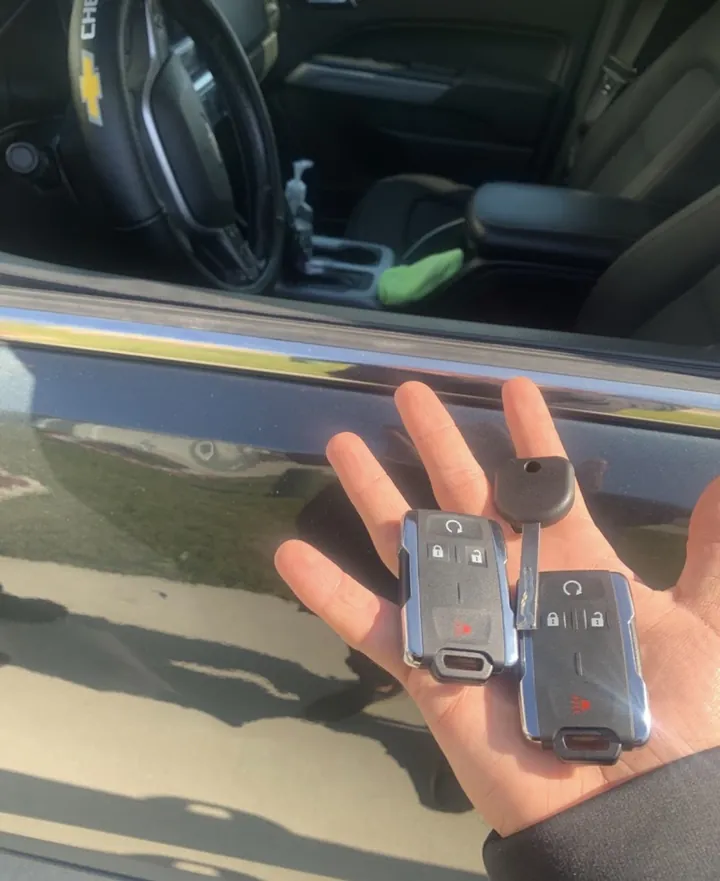

Original material supplied by the business. These photographs do not establish a job in a particular locality or compatibility with another vehicle.